The global pressure die casting market is evolving, driven by demand for lightweight, high-performance components across industries like automotive, aerospace, and telecommunications. While traditional die casting excels in high-volume production, low volume die casting is gaining traction as manufacturers seek flexibility for specialized, complex parts. Hordrt, a leader in precision casting solutions, is at the forefront of this shift, offering tailored low volume die casting services that combine agility with uncompromising quality.
Meeting Demand for Complex, Precision Components
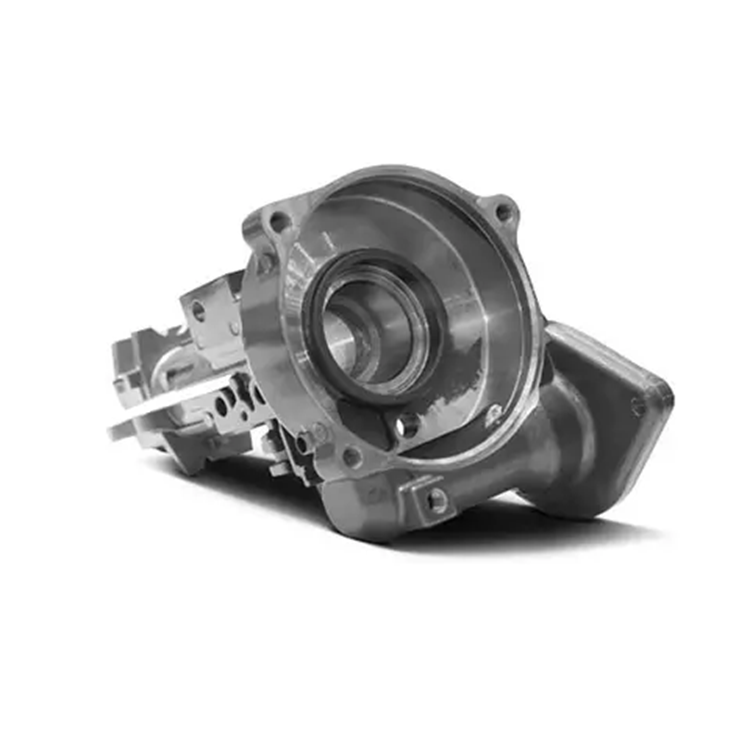
Low volume die casting is ideal for producing highly intricate parts requiring tight dimensional control and superior surface finishes—traits typically associated with mass production. Industries such as medical devices and robotics often need limited batches of components with thin walls (as slim as 0.6mm) to reduce weight without sacrificing strength. Hordrt leverages advanced tooling and simulation software to achieve these specifications, even in low volume die casting runs, ensuring components meet exacting standards for fit and function.
Cost Efficiency and Electroplating Advantages
Contrary to assumptions, low volume die casting can be cost-effective for niche applications. By minimizing material waste and using modular molds, Hordrt reduces upfront costs for clients needing smaller batches. Additionally, parts produced through low volume die casting often require minimal post-processing. For example, discreet electroplating can be applied directly to enhance corrosion resistance or aesthetics, bypassing secondary steps. This efficiency is critical for industries like luxury automotive or bespoke industrial equipment, where both quality and speed matter.
Hordrt’s Strategic Edge in a Competitive Landscape
As global supply chains prioritize adaptability, Hordrt stands out by offering scalable low volume die casting solutions without compromising on volume production’s benefits. Their expertise in rapid tooling allows for quick transitions between prototype and production phases, catering to clients testing new designs or fulfilling specialized orders. With ISO-certified processes and a reputation for on-time delivery, they ensure even small batches meet the same rigorous performance criteria as high-volume runs.
The Future of Low Volume Die Casting
The rise of customized, application-specific components will continue to drive demand for low volume die casting. Companies like Hordrt, which invest in technology and customer-centric practices, are well-positioned to lead this niche. By balancing precision, efficiency, and flexibility, low volume die casting is redefining what’s possible in a market increasingly shaped by innovation and tailored solutions.
Conclusion
By teaming up with Hordrt, companies can tap into their knowledge of how to die cast at both high and low volumes, demonstrating that size is no longer an issue when it comes to quality or competence. This is great news for companies navigating the die casting market on a worldwide scale.