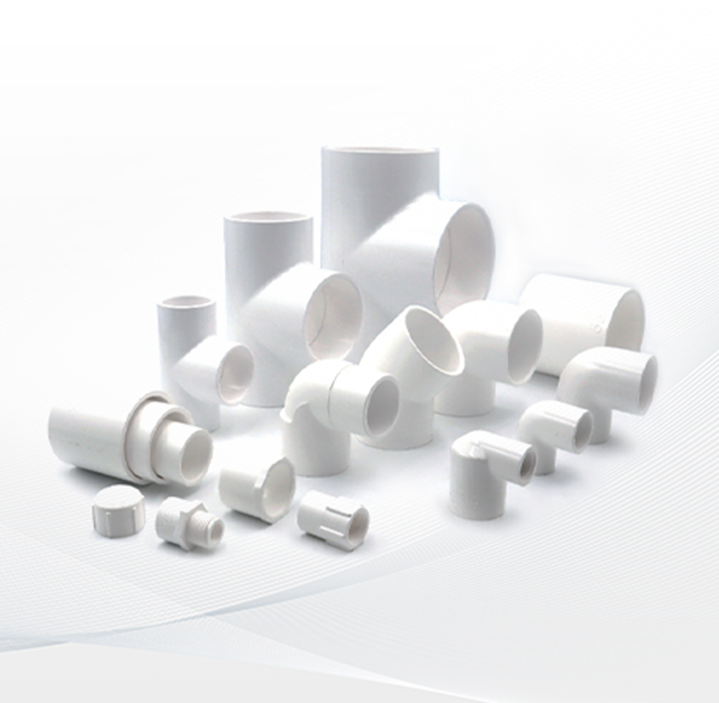
When planning an irrigation system, selecting the right components is essential for efficiency and durability. Schedule 40 PVC pipe fittings from LESSO America are commonly used in irrigation setups due to their balance of strength, affordability, and ease of installation. Knowing what to consider when using these fittings helps ensure a reliable system.
Compatibility and Sizing
LESSO America stresses the importance of choosing Schedule 40 PVC pipe fittings that match the pipe size and specifications required for the irrigation system. Proper sizing ensures tight connections that prevent leaks and maintain consistent water flow. They recommend checking the diameter and fitting types carefully to match the system’s layout and water pressure needs.
Durability in Outdoor Environments
Irrigation systems often face exposure to sunlight, temperature changes, and moisture. Schedule 40 PVC pipe fittings from LESSO America are designed to withstand these conditions to an extent, but they advise considering UV protection or additional shielding if fittings will be exposed for long periods. Proper installation techniques also help maintain the integrity of the fittings despite environmental factors.
Ease of Installation and Maintenance
They highlight that Schedule 40 PVC fittings are user-friendly, allowing for straightforward cutting, joining, and sealing with solvent cement. LESSO America notes that regular maintenance checks should be scheduled to inspect for leaks, cracks, or damage caused by soil movement or external forces, which can affect system performance over time.
Pressure and Flow Rate Considerations
LESSO America points out that Schedule 40 PVC fittings have specific pressure ratings that must align with the irrigation system’s requirements. Over-pressurizing the system can lead to joint failures or pipe damage. Ensuring that fittings are rated appropriately for the water pressure used in the system promotes longevity and reliable operation.
Conclusion
Using Schedule 40 PVC pipe fittings from LESSO America in irrigation systems involves careful consideration of size compatibility, durability, installation ease, and pressure limits. Paying attention to these factors supports the creation of a dependable irrigation setup that meets performance expectations and lasts over time.